The Architecture of Beautiful Things - A Japan Diary
Dec 24, 2025 · 12 Min Read · 11 Likes · 0 Comment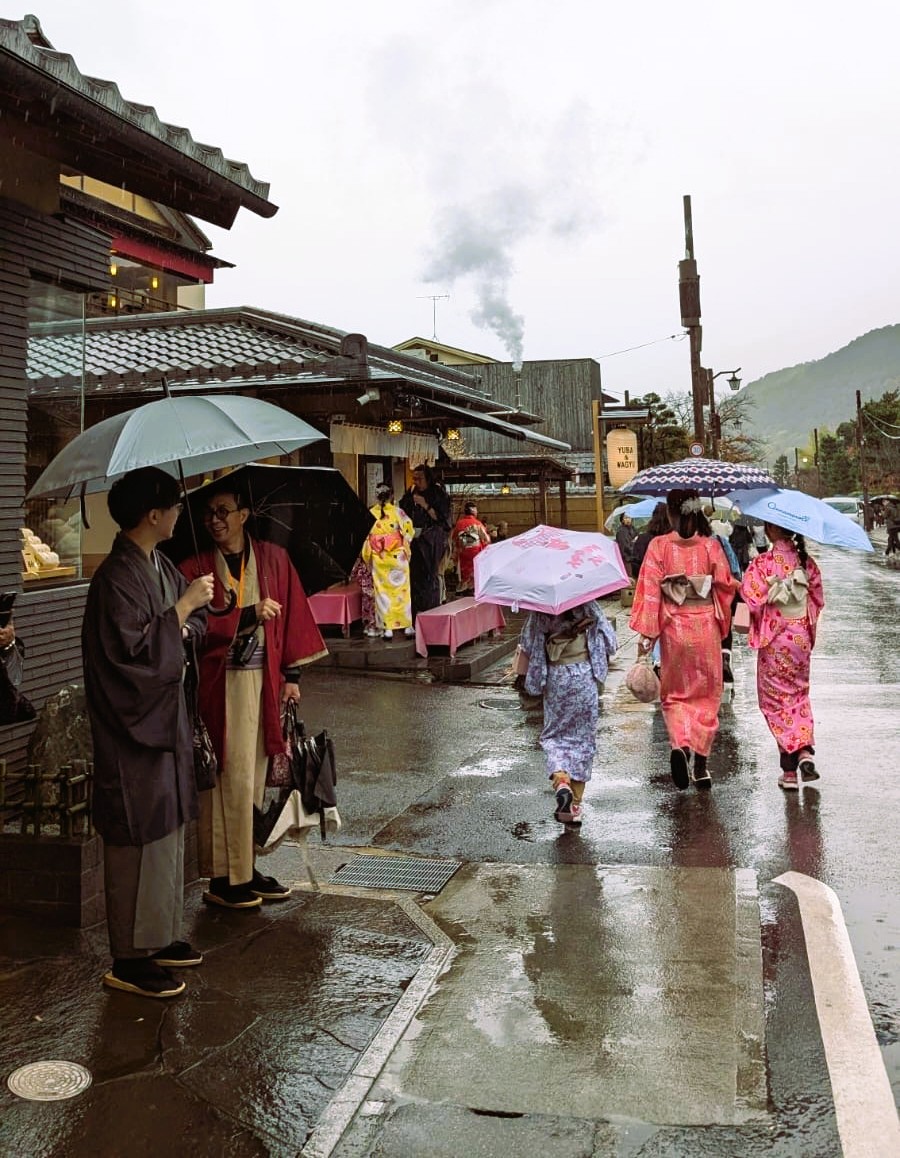
It has been a year since my Japan trip, and I am finally summarizing my thoughts. I put “architecture” in the title because, for me, architecture is not just some lines on a piece of blue paper or diagrams on a whiteboard. It is about the people, the connections, the feelings, and the tiny details that make up the whole. It is hard to explain that through simple flowcharts, but as my colleague from Rabobank, Jos Kapteijns, says: if you truly understand the architecture, you should be able to write it.
So, here is a varDump of what I saw in Japan and how I am trying to interpret those experiences as architecture.
The Journey begins: A false start in the right place
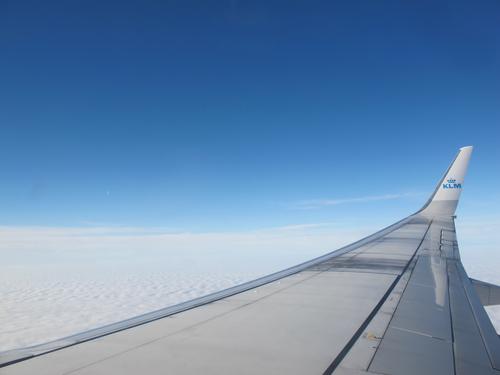
On the day of the trip, just three hours before my flight, I got an SMS saying the flight to Tokyo was cancelled due to an engine malfunction. My heart sank — I was on a very tight schedule and my friend Srijon was already waiting for me in Kyoto. The airline offered an alternative after a couple of hours, but I was looking for a different solution. Coincidentally, I spotted another flight to Osaka leaving at almost the same time, called the airlines, and got it arranged quickly. Even though my initial plan was actually pretty bad (flying to Tokyo just to take a bullet train back to Kyoto), this “failure” luckily put me on the right track, even if it took a bit of a headache to get there. :D
Beauty of a cage
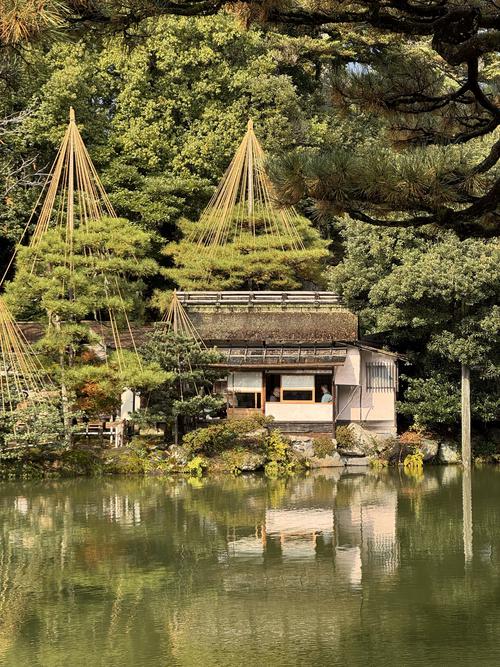
No more diversions — let’s get straight to what I actually saw in Japan. I visited one of the “Three Great Gardens” in Kanazawa called “Kenrokuen Garden”. Interestingly, the most beautiful piece of architecture there was not a building or tree, but the Yukizuri (snow catchers).
These are cone-shaped support systems made of simple ropes and bamboo to protect the trees from heavy snow. It essentially looks like a cage capturing the tree, yet it does not look “ugly” in the traditional sense; it is quite stunning actually. To the untrained eye, the materials are basic, but the result is aesthetically perfect — like looking at a tiny city inside a snow globe. What amazed me most was that the Yukizuri did not feel out of place. Instead of a “golden cage” where the cage and the captive are at odds, the way the trees were trimmed actually complemented the rope structure.
Endless city
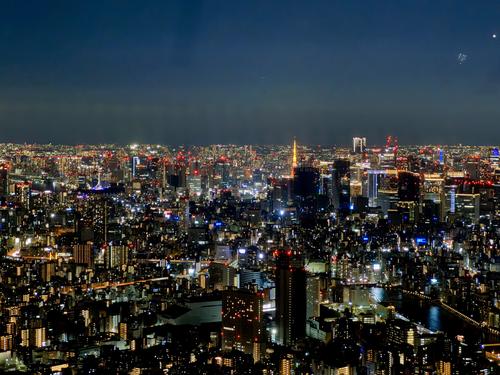
From the top of the Tokyo Skytree, the city looks literally endless. I checked every direction, and it was the same story all the way to the horizon. The skyline is defined by those blinking red lights on top of the buildings, and seeing it all at once gave me a mix of fear and wonder — it is incredible how much humans can build despite our limited abilities.
Personally, I am not the biggest fan of Tokyo as a city, but seeing it stretch out forever was mesmerizing. While the smaller details like the bridges and flyovers can look a bit clunky and cluttered, the big picture is still amazing. They have people, nature, and massive towers all co-existing in a system that is surprisingly resilient, earthquake-proof, and humanly liveable. The “fear” comes from looking at the scale and realizing how many points of failure there could be, yet it works. Probably they are doing something right. :)
Everything looks identitical, a nightmare maze
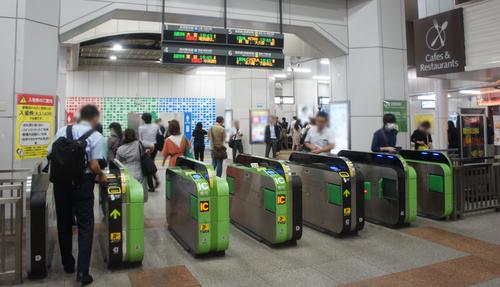
During my stay in Tokyo, one day I stored my bag in a locker at Akihabara station so I could explore Shibuya and Shinjuku luggage-free, but that decision came back to bite me. Even though I had photos of the locker number and the ticket, I completely lost track of where it was when I returned. I searched every corner of the station and asked the station staff—who were as helpful as possible, no judgment there — but I just could not find it.
The wildest part? I actually found a locker with the exact same number, but it was not mine. It took me two hours of retracing my steps to realize I was at an entirely different entrance. If you’ve ever been to Tokyo, you know how tricky tracking subway switches can be (and have different exists). While having everything look identical is architecturally pleasing and works for a “seasoned user,” it can be a hellish experience for an outsider. Right labeling is important!! On a side note, if you ever feel lost in Akihabara station, ping me — I basically know every corner of it now. :D
Damn powerlines everywhere, but maybe thats how it should be
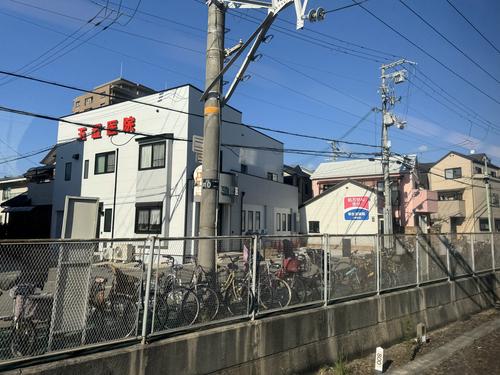
Imagine you are driving through the Japanese countryside or taking a local train to a remote spot. You take the perfect shot, but then you notice the powerlines and poles “photobombing” the view. It can look messy when a wire cuts right through your frame, but there is a logical reason they are above ground rather than buried like in many other modern countries. This setup was a faster, more cost-effective way to rebuild after WWII.
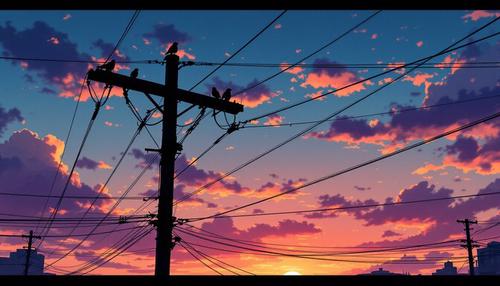
Moreover, if you check some Anime or Manga, you will see a prominent presence of those wires, which does not look half bad (sometimes really cool). Just accept the oddity and post the damn photo in Instagram! :D
Not everything exists because of the reasons you might think
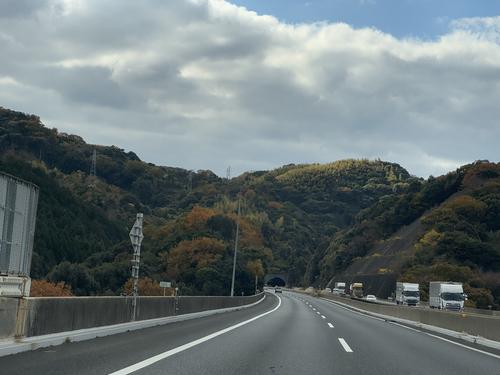
During my road trip from Tokyo to Hiroshima, I witnessed a true marvel of Japanese engineering: perfectly flat roads cutting straight through the mountains. There is almost no incline or decline; it is just a straight flat road across a rugged landscape. I could not count how many tunnels I had to pass though. Considering how expensive and time consuming the tunnels are, I wondered why they even bothered to build it, because I doubt it would be more valuable their rail network. But I found that they served important purpose of providing jobs during periods of depression and stimulate growth in 90s (source).
Of course, these roads also serve practical needs like faster logistics, better connectivity, and vital routes for disaster relocation. Even if there were cheaper ways to achieve those goals, Japan ended up building a massive network that reaches even the most remote cities. Sometimes architecture is like that—the true “why” behind a system is not always obvious at the start, but the scale of the solution serves purposes you might not expect.
Tradition, nature, and modern, side by side
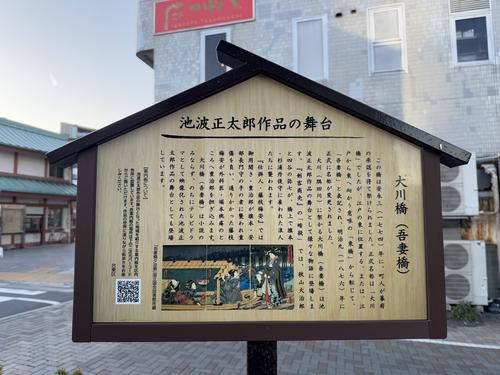
Cities like Kyoto, Tokyo, and Hiroshima are incredible examples of how tradition, nature, and ultra-modernity can co-exist. Honestly, I have not seen many cities with this much greenery outside of maybe Berlin, and it has completely redefined my idea of what a city should look like. I love Dutch cities for their green spaces and connectivity, but the sheer scale in Japan is just on another level.
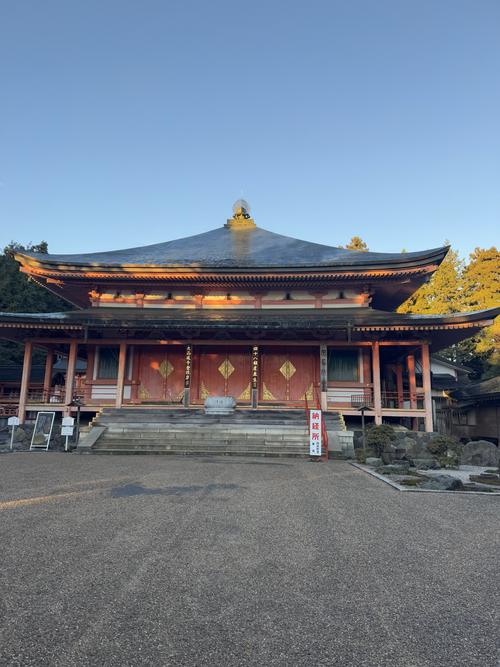
What truly amazing is how the nature and the city are not separate entities; they occupy the same space. You will find religious relics (from small shrines to big temples) built away everywhere in the wild. When I was hiking in the Hiei (Hieizan) mountains, I would sometimes forget where the city ended and the forest began. It was beautiful, but also a bit intense — I was actually pretty scared a few times hiking at dawn because of the frequent bear sighting signs:
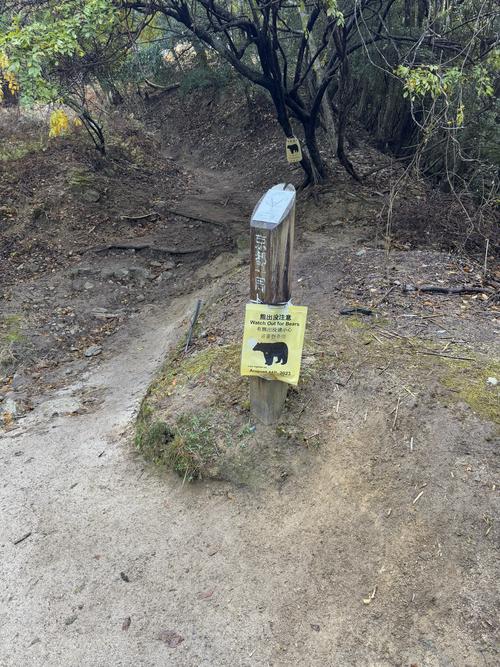
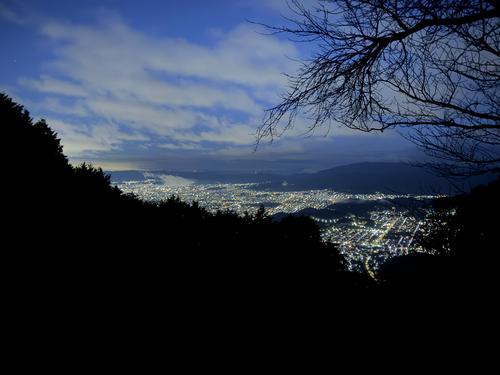
My fear only solidified when I spotted a fox darting through the forest — my reactions were too slow to capture a photo, unfortunately :(. But, the bears stayed hidden, and luckily I was able to just enjoy an absolutely amazing sunrise:
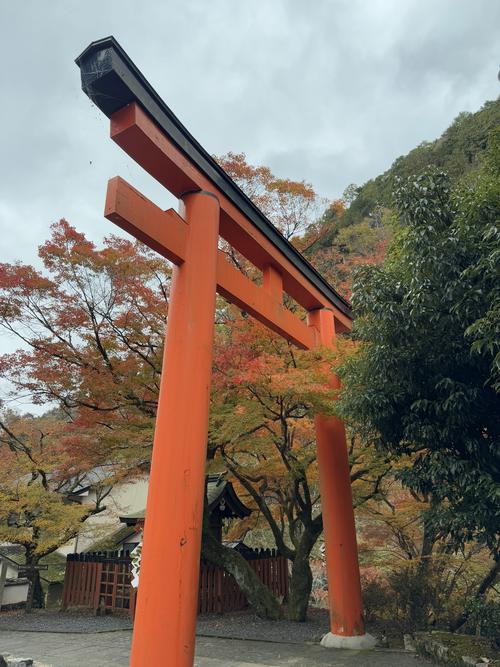
If you ever been in Japan, then you are definately familiar with the sights of “Torii”, an arbitary boundary between mortal realm and heavenly realm. Its presence is significance, but it does not look unnatural or unusual, but they blend togather with the city just find. It reminds me of any good architecture: the systems have clearly defined boundaries, yet from the outside, everything feels harmonious and co-exists peacefully.
Loneliness, yet beautiful and a marvel of human accomplishment
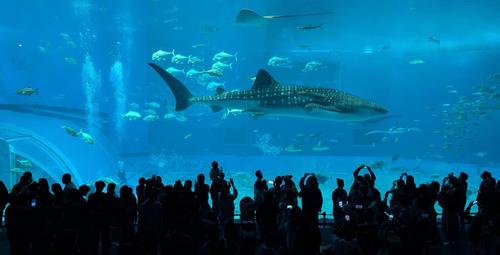
In Okinawa, I visited the Okinawa Churaumi Aquarium and saw a Whale Shark in captivity. The way it moved was amazing — very dignified, like a king ruling its own small ocean. But its loneliness really got to me; it is there, surviving in a space we created, where only we can witness its beauty.
From the perspective of human accomplishment, it is a marvel. Keeping the world’s largest fish in captivity is an extraordinary feat of engineering and care, especially since so many past attempts failed. But on the other hand, there is a cruelty in keeping such a creature alone. Sometimes things exist that are technically extraordinary, but that doesn’t necessarily mean they feel “right.”
A perfect system: Which may be not optimal
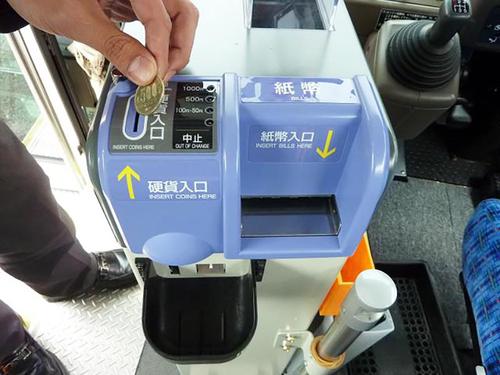
If you have ever ridden a bus in Japan, you have probably encountered this payment system. It is designed for cash and coins, and actually a brilliant piece of engineering — super accurate and capable of handling complex transactions right there at the driver’s seat. If you feed it a large bill, it drops a boat-load of exact change.
This system works, for sure, and probably a superior engineering work as well, considering using a NFC based system is easier to implement and less sophisticated, but user experince is horrible for a non-Japanese person, and it will take them minutes to pay the driver, making you anxious everytime you get into the bus! :D
Togather they make harmony
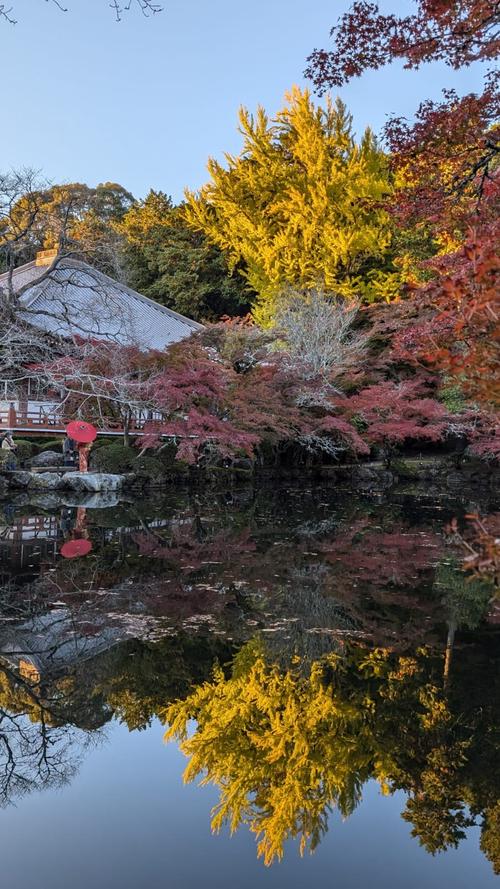
In Japan (specially in Kyoto), the nature, the buildings, and the people—together, they create these incredible scenes. Each element has its own bold presence, yet they do not fight for attention; they just show how things should be. It takes a certain aesthetic sense and a deep respect for tradition to allow everything to co-exist without suppressing any one part. The photo above is a perfect example of a simple melody: the colors of the temple, the surrounding nature, and the bride’s umbrella all match perfectly.
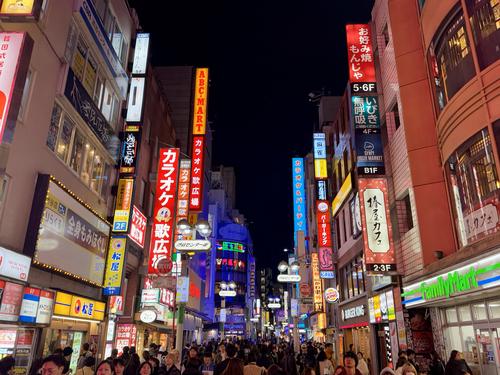
On the other hand, at Shibuya crossing and the towers look like a city from the future (like Cyberpunk), with its dazzling neon lights, and street food, and a constant flow of people, makes a different kind of harmony, like hard rock music.
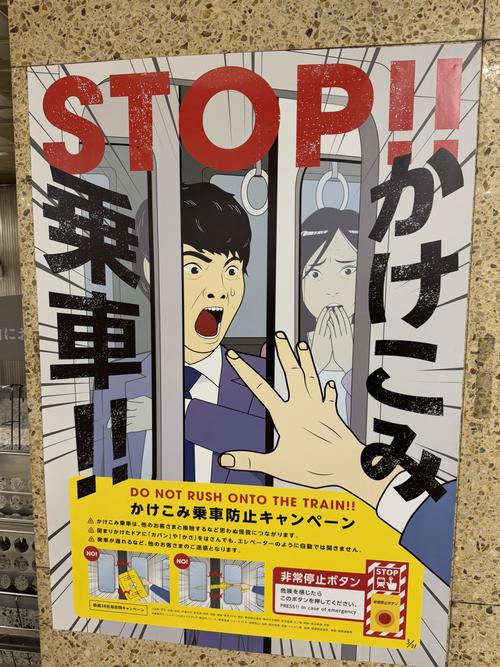
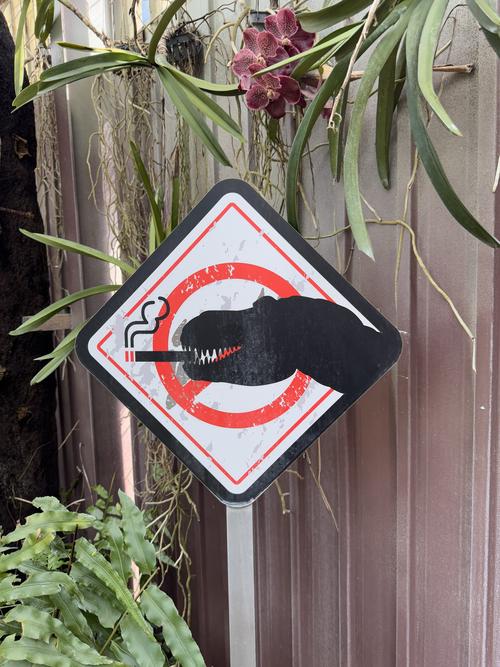
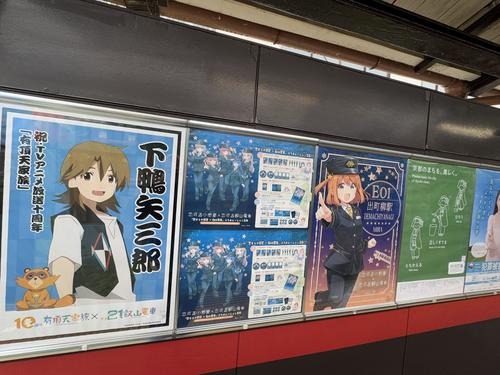
Poster perfect
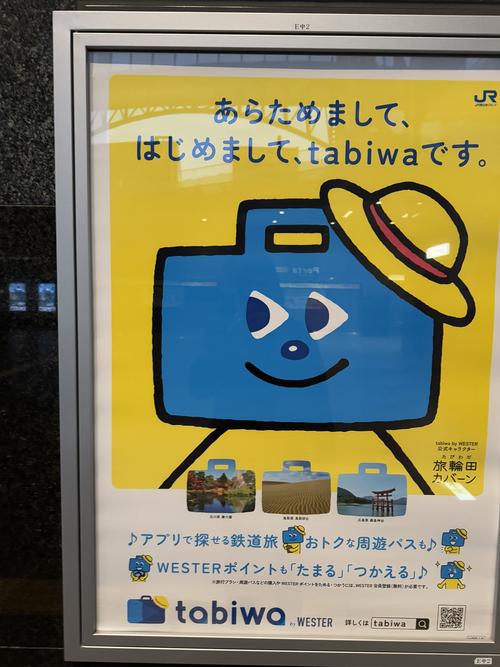
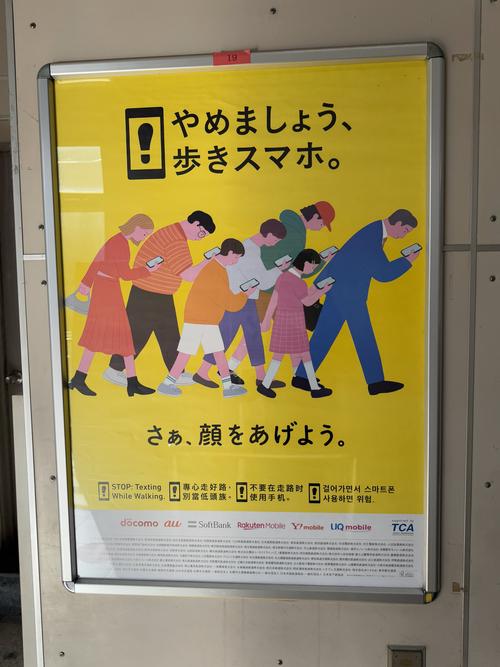
Every single one was a masterclass in detail — perfectly colored, vibrant, and often filled with a great sense of humor. They are so well-designed that you can understand the message instantly without being able to read a single word of the text.
Even though I could not read them, I could tell the text itself was well-structured and blended perfectly into the overall aesthetic. It is like a perfectly documented API; the visual interface is so intuitive that the underlying “code” (the text or message) serves to support the experience. Here are some examples:
Automated and covers every usecase, then why do you need dedicated support?
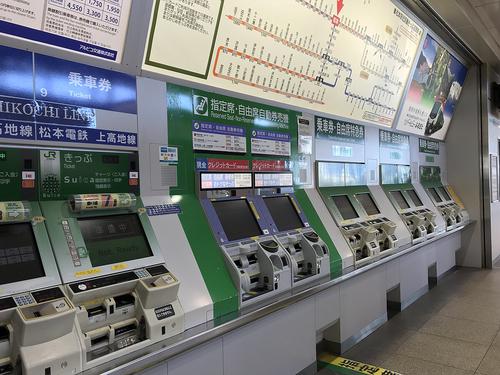
The ultimate example of Japanese automation is this ticket-vending machines at the station. You can buy a ticket to any destination with all sorts of complex conditions, discounts, and travel times. But if you try to use it for the first time without any context, it is near impossible to use.
For instance, if you book a ticket using a VISA card, you need to put that one physically in the machine, otherwise it will not issue the ticket. To understand that problem (because machine was failing with a random message), I had to talk with a staff member who was assisting travelers to purchase tickets from that machine. It is a bit of a paradox, right? It is supposed to be automated, yet there is a need for someone to be present to nevigate the system. Then what is the point of automating it in the first place? But the problem was resolved soon after I understood what needed to be done.
Beauty in simplicity
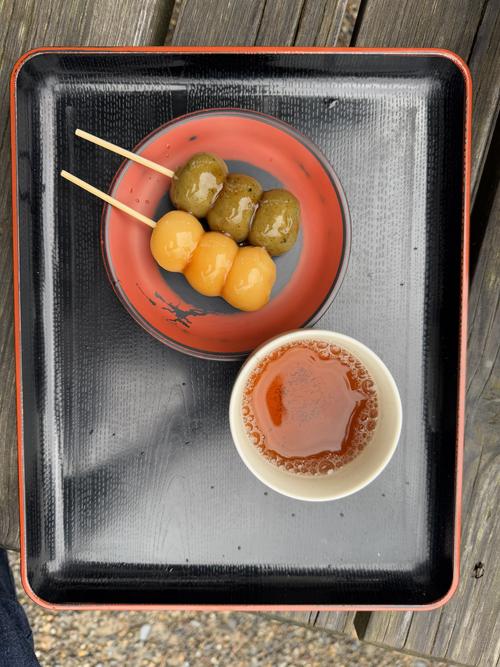
We often tend to make architecture overly complex or only appreciate designs that look sophisticated, but sometimes the real beauty lies in simplicity. Chasing after those complex solutions makes us forget that we do not always need “extra sauce” to make a design interesting. We can simply enjoy the clarity that simplicity provides.
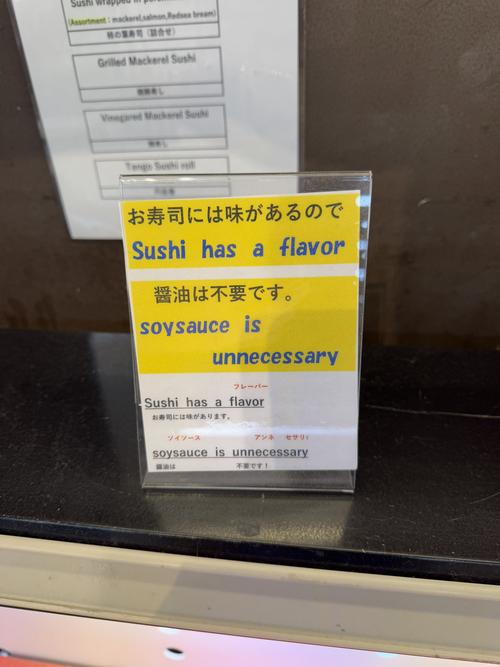
In summary
In summary, my travel to Japan is like looking at a living codebase, where:
- Legacy systems co-exist with newer systems
- Both extreme ends, ultra modern to super traditional
- Beauty in simplicity and complexity
- A sophisticated system which works and can recover from disasters
Through my architectural lens, I see this as a beautiful design but not perfect, and it inspires me to rethink my own vision for designing solutions. I hope it does the same for you. Thank you for reading and see you someday. :)
Last updated: Oct 08, 2026